


Возвращение Текущее местоположение: Главная страница >> Информационный центр >> Технологический прорыв в строительстве как изменит нашу жизнь
Время публикации:2025-12-15 12:01:10
Эта статья исследует, как технологические инновации в строительстве — от 3D-печати и BIM до IoT и экологичных материалов — трансформируют нашу повседневную жизнь, делая города умнее, жилье доступнее и устойчивее, и открывая новые возможности для общества.
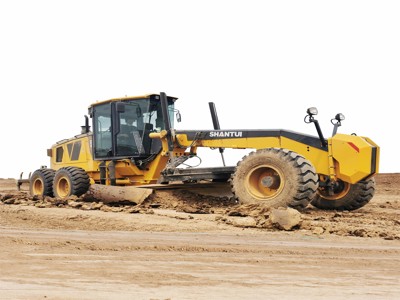
Строительная отрасль, долгое время считавшаяся консервативной и медленно меняющейся, сегодня переживает беспрецедентный технологический прорыв. Инновации, такие как 3D-печать зданий, Building Information Modeling (BIM), Интернет вещей (IoT), искусственный интеллект (ИИ) и экологичные материалы, не просто улучшают процессы — они коренным образом меняют то, как мы живем, работаем и взаимодействуем с окружающим миром. В этой статье мы глубоко погрузимся в то, как эти технологии трансформируют строительство и, как следствие, нашу повседневную жизнь, делая ее более удобной, безопасной и устойчивой. От умных городов до доступного жилья, будущее уже наступает, и оно полно возможностей.
Строительство всегда было краеугольным камнем человеческой цивилизации. От великих пирамид Египта до римских акведуков, каждая эпоха привносила свои инновации. В XX веке промышленная революция принесла бетон и сталь, позволив строить небоскребы и массовое жилье. Однако процессы оставались трудоемкими и часто неэффективными. Сегодня, с наступлением цифровой эры, строительство вступает в новую фазу, где технологии ускоряют все — от проектирования до эксплуатации зданий. Этот переход не случаен; он driven растущим спросом на устойчивость, urbanization и необходимостью решать глобальные challenges, такие как изменение климата и нехватка ресурсов.
3D-печать, или аддитивное manufacturing, perhaps одна из самых transformative технологий в строительстве. Вместо традиционных методов, где материалы вырезаются или формются, 3D-принтеры layer-by-layer создают здания из бетона, пластиков или даже recycled материалов. Компании like ICON в США или Apis Cor в России уже печатают целые дома за считанные дни, drastically reducing costs и time. Например, в 2023 году в Техасе был напечатан дом площадью 100 квадратных метров всего за 24 часа, что обошлось на 50% дешевле conventional строительства. Эта технология not only делает жилье более доступным, но и позволяет создавать custom designs, которые были previously impossible, такие как curved walls или integrated furniture. Для обычных людей это означает возможность быстро и cheaply получить индивидуальное жилье, особенно в developing регионах или после стихийных бедствий.
BIM — это процесс создания и управления digital representations физических и functional characteristics зданий. В отличие от traditional 2D чертежей, BIM models are 3D, intelligent и data-rich, allowing architects, engineers, и contractors collaborate в real-time. Это reduces errors, улучшает coordination, и ускоряет проекты. Например, использование BIM на строительстве небоскреба в Dubai сократило сроки на 20% и минимизировало отходы. Но impact goes beyond construction: BIM models can be used throughout building's lifecycle для maintenance, energy management, и даже renovations. Для нас, как occupants, это translates в более efficient здания, которые easier to maintain и adapt to changing needs, potentially lowering utility bills и increasing comfort.
IoT involves embedding sensors и devices в building components для сбора данных и automation. В умных зданиях, sensors monitor everything from temperature и humidity to occupancy и energy usage. This data is analyzed AI to optimize HVAC systems, lighting, и security. For instance, a smart office can adjust lighting based on natural light или предсказывать maintenance needs для equipment, preventing breakdowns. Companies like Siemens и Schneider Electric lead в этой области. Для жителей, это означает enhanced comfort: здания that learn preferences, automatically adjust conditions, и provide alerts о проблемах. Кроме того, IoT enables remote management, allowing people control their homes via smartphones, что особенно полезно для elderly или людей с limited mobility.
AI и robotics automate repetitive tasks, such as bricklaying, welding, или site inspection. Robots like SAM (Semi-Automated Mason) can lay bricks faster и more accurately than humans, reducing labor costs и improving safety. AI algorithms analyze project data to predict risks, optimize schedules, и manage resources. For example, AI can forecast weather delays или suggest material substitutions to save money. This not only speeds up construction but also makes it safer by reducing human exposure to hazardous conditions. In daily life, this leads to faster completion of infrastructure projects, meaning less disruption from construction sites и sooner access to new facilities like schools или hospitals.
Sustainability is a major driver innovation. New materials, such as self-healing concrete, carbon-negative bricks, или bamboo composites, reduce environmental impact. Self-healing concrete contains bacteria that repair cracks, extending building life. Carbon-negative bricks absorb more CO2 than they emit during production. Additionally, green building certifications like LEED promote energy-efficient designs. For society, this means healthier living environments with better air quality, lower carbon footprints, и reduced energy costs. As climate change intensifies, these technologies become crucial for resilient cities.
Technological advancements are making housing more affordable и customizable. 3D-printing и prefabrication reduce costs, allowing more people to own homes. In future, you might design your dream home online и have it printed in weeks, not years. This is particularly impactful in urban areas where housing crises are common. For example, initiatives in countries like India используют 3D-printing для building low-cost homes, addressing homelessness. Moreover, customization means homes can be tailored to specific needs, such as accessibility features для disabled persons или energy-efficient designs для eco-conscious families.
Construction tech is integral to smart cities, where IoT, AI, и sustainable materials create interconnected urban environments. Smart grids, intelligent transportation systems, и green buildings work together to reduce traffic, pollution, и energy consumption. For instance, in Singapore, smart buildings integrate with public transport to optimize routes. This leads to shorter commutes, cleaner air, и more efficient public services. In daily life, you might experience fewer traffic jams, easier access to amenities, и a higher quality of life due to reduced urban stress.
Advanced materials и IoT enhance building safety. Sensors detect fires, earthquakes, или intrusions early, triggering automatic responses. For example, smart buildings can evacuate residents during emergencies using guided pathways. Additionally, improved insulation и climate control systems make interiors more comfortable year-round, reducing reliance on heating и cooling. This not only saves money but also contributes to well-being, especially for vulnerable groups like children и elderly.
The construction industry's transformation creates new jobs in tech fields, such as BIM specialists или IoT engineers, while reducing manual labor. This shifts workforce towards higher-skilled positions, potentially raising incomes. Moreover, faster project completion means economic benefits from sooner operation of buildings like commercial centers или hospitals. Socially, accessible housing can reduce inequality, и sustainable practices foster a sense of community responsibility towards environment.
Despite promises, challenges remain. High initial costs для新技术, regulatory hurdles, и need for skilled workforce can slow adoption. Cybersecurity risks with IoT devices также require attention. However, as technologies mature и costs decrease, adoption will accelerate. Future trends might include bio-inspired materials, such as buildings that grow like plants, или space construction using local resources. The key is continuous innovation и collaboration between governments, industries, и academia.
Технологический прорыв в строительстве не просто меняет industry; он redefine how we live. От доступного жилья до умных городов, эти инновации promise a future that is more efficient, sustainable, и inclusive. As consumers, we should embrace these changes, advocate for sustainable practices, и stay informed about new possibilities. The building of tomorrow is not just about structures—it's about building a better life for all. Let's step into this exciting era together, where technology and humanity converge to create wonders beyond imagination.
Эта статья лишь scratches the surface. To learn more about how these technologies can benefit you, explore our resources или contact experts in the field. The future is being built today—don't miss out!

Shandong Gt International Trading Co., Ltd.
Контактные лица:
Мобильные телефоны:
Телефон:
Адрес:No. 1901, 19th Floor, East Unit 1, Shengde Times Impression, Jining, Shandong, China