


Возвращение Текущее местоположение: Главная страница >> Информационный центр >> Какая техника нужна для эффективных земляных работ
Время публикации:2025-12-15 04:01:11
Статья обсуждает ключевые аспекты выбора и использования техники для эффективного выполнения земляных работ в строительстве, включая обзор основных типов машин, факторы планирования, экономические и экологические соображения, а также будущие тенденции.
Земляные работы являются фундаментальным этапом в строительстве, определяющим успех любого проекта, будь то возведение зданий, прокладка дорог или создание инфраструктуры. Эффективность этих работ напрямую зависит от правильного выбора и использования техники, что позволяет оптимизировать время, затраты и ресурсы. В этой статье мы подробно рассмотрим, какая техника необходима для достижения максимальной продуктивности, обсудим ключевые факторы, влияющие на выбор оборудования, и предложим практические рекомендации для различных сценариев.
Земляные работы включают в себя широкий спектр операций, таких как выемка грунта, его транспортировка, уплотнение и обратная засыпка. Эти процессы требуют не только физических усилий, но и точного инжиниринга, чтобы обеспечить стабильность конструкций и соблюдение экологических норм. Исторически, земляные работы выполнялись вручную, что было трудоемким и медленным, но с развитием технологий механизация стала неотъемлемой частью строительной отрасли. Сегодня использование специализированной техники позволяет выполнять задачи быстрее, безопаснее и с меньшим воздействием на окружающую среду. Однако, неправильный выбор оборудования может привести к задержкам, перерасходу средств и даже авариям. Поэтому понимание того, какая техника подходит для конкретных условий, является критически важным для любого инженера или подрядчика.
Для эффективного выполнения земляных работ применяется разнообразная техника, каждая из которых предназначена для специфических задач. Рассмотрим ключевые категории оборудования.
Экскаваторы – это универсальные машины, используемые для копания, подъема и перемещения грунта. Они бывают различных типов, включая гусеничные, колесные и мини-экскаваторы. Гусеничные экскаваторы идеальны для работы на мягких или неровных поверхностях, обеспечивая высокую устойчивость и мощь. Колесные модели более мобильны и подходят для городских условий, где требуется быстрое перемещение между объектами. Мини-экскаваторы компактны и эффективны для работ в ограниченных пространствах, таких как траншеи или внутренние помещения. Выбор зависит от объема работ: для крупных проектов, таких как строительство фундаментов или карьеров, предпочтительны большие экскаваторы с емкостью ковша до нескольких кубометров, в то время как для мелких задач достаточно мини-версий. Важно также учитывать наличие дополнительного оборудования, например, гидромолотов или грейферов, которые расширяют функциональность экскаваторов.
Бульдозеры предназначены для планирования поверхностей, перемещения больших объемов грунта и расчистки территорий. Оснащенные широким отвалом, они эффективно срезают и толкают материал, что делает их незаменимыми на начальных этапах строительства, таких как выравнивание площадок или создание насыпей. Современные бульдозеры часто оснащаются системами GPS для точного управления, что повышает accuracy работ. Для работы в сложных условиях, например, на склонах или в болотистой местности, используются модели с специальными гусеницами или шинами. Экономическая эффективность бульдозеров высока благодаря их способности обрабатывать большие площади за короткое время, но их использование может быть ограничено на узких участках.
Скреперы – это машины, сочетающие функции копания, транспортировки и разравнивания грунта. Они особенно полезны для крупномасштабных земляных работ, таких как строительство дорог или аэродромов, где требуется перемещение грунта на значительные расстояния. Скреперы могут быть самоходными или прицепными, и их производительность зависит от емкости ковша и типа привода. Например, elevater scrapers equipped with conveyor systems allow for continuous loading and unloading, reducing downtime. The choice between scrapers and other equipment like dump trucks depends on the distance of transport: for short hauls, scrapers are more efficient, but for longer distances, trucks might be preferable. Additionally, scrapers contribute to soil compaction during operation, which can be an advantage for certain applications.
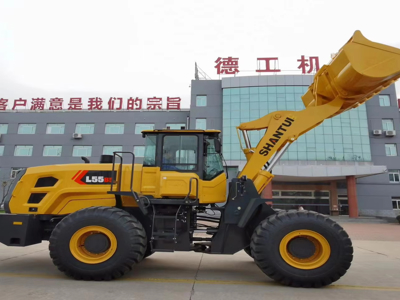
Погрузчики, такие как фронтальные или телескопические, используются для загрузки материалов в транспортные средства или для выполнения легких земляных задач. Они highly versatile and can be equipped with various attachments, like buckets or forks, to handle different materials. In earthworks, they are often employed in combination with excavators or bulldozers to streamline the process. For instance, a wheel loader can quickly load excavated soil into trucks, reducing cycle times. Their mobility and ease of operation make them suitable for a wide range of projects, from small residential builds to large industrial sites.
Самосвалы essential for transporting excavated material to disposal sites or other locations. They come in various sizes, from small dump trucks to large off-road models capable of carrying tens of tons. The choice of dump truck depends on the volume of material and the terrain: articulated dump trucks are better for rough terrain, while rigid models are more efficient on paved roads. Efficient logistics, such as optimizing haul routes and using multiple trucks in tandem, can significantly enhance productivity. Moreover, modern dump trucks often feature advanced suspension systems and automated controls to improve safety and reduce driver fatigue.
Помимо основных категорий, существует специализированная техника для specific tasks. Например, trenchers are used for digging narrow trenches for utilities, while compactors are essential for soil compaction to ensure stability. Graders help in fine grading and sloping surfaces, and backhoe loaders combine the functions of a loader and an excavator, making them ideal for small to medium projects. The adoption of such equipment should be based on the project's requirements: for instance, in urban areas with existing infrastructure, non-destructive techniques like vacuum excavation might be preferred to avoid damage.
Выбор appropriate equipment for earthworks is not one-size-fits-all; it depends on multiple factors that must be carefully evaluated.
The soil type—whether it's sand, clay, rock, or mixed—directly affects the choice of machinery. For example, rocky terrain requires robust excavators with breakers, while sandy soil might be better handled with scrapers or loaders. Terrain conditions, such as slope, accessibility, and weather, also play a role: steep slopes may necessitate tracked vehicles for stability, and wet conditions might require machines with low ground pressure to prevent sinking. A thorough geotechnical survey is essential before selecting equipment to avoid inefficiencies or failures.
The scale of the project dictates the size and number of machines needed. Large-scale projects, like highway construction, benefit from high-capacity equipment like large excavators and scrapers to achieve economies of scale. In contrast, small projects, such as backyard excavations, can be efficiently handled with mini-excavators or compact loaders. It's important to match the equipment's productivity to the project timeline: underutilization leads to increased costs, while overutilization can cause breakdowns and delays.
Cost considerations include not only the purchase or rental price of equipment but also operating costs, maintenance, fuel consumption, and labor. Leasing might be more economical for short-term projects, while ownership could be better for long-term use. Additionally, investing in modern, fuel-efficient machines can reduce overall expenses through lower operational costs. Lifecycle cost analysis should be conducted to compare different options, factoring in depreciation and resale value.
Earthworks can have significant environmental impacts, such as soil erosion, dust generation, and noise pollution. Therefore, selecting equipment that minimizes these effects is crucial. For instance, electric or hybrid machines are becoming more popular due to their lower emissions. Compliance with local regulations, such as noise limits or emission standards, must be ensured to avoid fines and project stoppages. Techniques like dust suppression systems or silt fences can be integrated with equipment usage to protect the environment.
Effective planning is key to maximizing the efficiency of earthworks. This involves creating detailed project plans, sequencing operations, and coordinating equipment usage. For example, using a combination of excavators, loaders, and dump trucks in a well-orchestrated workflow can reduce idle time and increase productivity. Technology plays a vital role here: Building Information Modeling (BIM) and drone surveys can provide accurate data for planning, while telematics systems monitor equipment performance in real-time, allowing for adjustments on the fly. Training operators to use equipment efficiently and safely is also part of this process, as skilled operators can significantly enhance output and reduce wear and tear.
Safety is paramount in earthworks due to the high risks involved, such as collapses, equipment accidents, or exposure to hazardous materials. Proper equipment selection contributes to safety: machines with roll-over protection structures (ROPS) and falling object protection systems (FOPS) are essential. Additionally, regular maintenance and inspections prevent malfunctions. Operators should be trained in safety protocols, and sites must have clear signage and barriers. Implementing a safety management system that includes risk assessments and emergency plans can prevent accidents and ensure compliance with occupational health and safety regulations.
Beyond immediate productivity, earthworks equipment choices have long-term economic and environmental implications. Economically, efficient equipment reduces project duration and costs, leading to higher profitability. Environmentally, sustainable practices, such as using recycled materials or equipment with low carbon footprints, align with global trends towards green construction. Lifecycle assessment of equipment can help in making informed decisions that balance cost, performance, and environmental impact. For instance, opting for electric machinery might have higher upfront costs but lower operating expenses and emissions over time.
The future of earthworks equipment is shaped by technological advancements such as automation, electrification, and digitalization. Autonomous machines, guided by AI and GPS, are already being tested for tasks like excavation and grading, offering increased precision and reduced labor costs. Electric equipment is gaining traction due to its sustainability benefits, with improvements in battery technology extending operational time. Digital twins and IoT connectivity enable predictive maintenance and real-time optimization. These trends promise to make earthworks more efficient, safer, and environmentally friendly, but they also require investments in new skills and infrastructure.
В заключение, выбор техники для эффективных земляных работ является комплексным процессом, зависящим от множества факторов, включая тип грунта, масштаб проекта, бюджетные ограничения и экологические требования. Использование appropriate equipment, such as excavators, bulldozers, scrapers, and loaders, in a well-planned manner can drastically improve productivity and safety. As the industry evolves, embracing new technologies and sustainable practices will be key to staying competitive. Ultimately, investing time in careful selection and management of equipment pays off through successful project outcomes and long-term benefits. whether you're a small contractor or a large construction firm, understanding these principles is essential for mastering earthworks.

Shandong Gt International Trading Co., Ltd.
Контактные лица:
Мобильные телефоны:
Телефон:
Адрес:No. 1901, 19th Floor, East Unit 1, Shengde Times Impression, Jining, Shandong, China