


Возвращение Текущее местоположение: Главная страница >> Информационный центр >> Какие параметры экскаватора влияют на производительность и почему это важно
Время публикации:2025-12-09 00:01:10
В этой статье подробно рассматриваются ключевые параметры экскаватора, такие как объем ковша, мощность двигателя, гидравлическая система и другие, и объясняется, как они влияют на производительность. Статья подчеркивает важность оптимизации этих параметров для повышения эффективности в строительстве и горной промышленности.
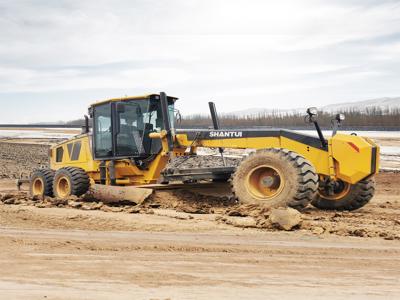
Экскаваторы являются незаменимыми машинами в современном строительстве, горной промышленности и других отраслях, где требуется эффективное перемещение больших объемов грунта, породы или других материалов. Производительность экскаватора — это ключевой показатель, который определяет, насколько быстро и экономично может быть выполнена работа. Высокая производительность не только ускоряет проекты, но и снижает операционные затраты, повышает рентабельность и минимизирует воздействие на окружающую среду. Однако производительность экскаватора зависит от множества параметров, каждый из которых играет crucial role. В этой статье мы подробно рассмотрим основные параметры экскаватора, влияющие на производительность, и объясним, почему их оптимизация так важна для успеха в различных отраслях.
Объем ковша — это, пожалуй, самый очевидный параметр, который напрямую влияет на производительность экскаватора. Он определяет количество материала, которое машина может переместить за один цикл работы. Чем больше объем ковша, тем больше материала экскаватор может поднять и переместить за меньшее количество циклов, что приводит к увеличению общей производительности. Например, экскаватор с ковшом объемом 2 кубических метра будет значительно более производительным, чем модель с ковшом 1 кубический метр, при прочих равных условиях.
Однако выбор объема ковша не всегда straightforward. Он должен быть адаптирован к конкретным условиям работы. Если объем ковша слишком велик для типа материала или условий местности, это может привести к неэффективности, такой как перегрузка машины, повышенный износ компонентов или даже поломки. С другой стороны, слишком маленький ковш будет require more cycles to move the same amount of material, reducing overall productivity. Поэтому важно выбирать объем ковша based on factors like material density, digging difficulty, and the machine's capacity.
Кроме того, объем ковша влияет на цикличность работы. Цикл работы экскаватора включает в себя копание, подъем, поворот, разгрузку и возврат. Увеличение объема ковша сокращает количество циклов, необходимых для перемещения заданного объема материала, но может увеличить время каждого цикла due to heavier loads. Thus, there is an optimal balance that maximizes productivity. Modern excavators often feature quick-change attachment systems, allowing operators to switch buckets of different sizes quickly, adapting to changing job requirements and further enhancing efficiency.
Why is this important? In industries like construction or mining, time is money. A higher productivity rate means projects are completed faster, reducing labor costs and minimizing downtime. Moreover, in competitive markets, companies that optimize bucket volume can bid more aggressively on contracts, knowing they can deliver results efficiently. This parameter is not just about raw power; it's about smart resource allocation and operational intelligence.
Мощность двигателя экскаватора является critical parameter that directly impacts its ability to perform work. The engine provides the necessary power to drive the hydraulic system, which in turn operates the boom, arm, bucket, and other functions. A higher horsepower engine allows the excavator to handle heavier loads, dig deeper, and operate more efficiently in challenging conditions, such as hard rock or steep terrain.
The relationship between engine power and productivity is multifaceted. Firstly, a powerful engine enables faster cycle times. For instance, during digging, a strong engine can provide the force needed to penetrate tough materials quickly, reducing the time spent on each digging phase. Similarly, during lifting and swinging, adequate power ensures smooth and rapid movements, minimizing idle time between cycles. This leads to a higher number of cycles per hour, directly boosting productivity.
However, simply having a high-power engine is not enough. It must be matched with the excavator's overall design and hydraulic system to avoid inefficiencies. An overpowered engine in a machine with limited hydraulic capacity might waste energy and fuel, while an underpowered engine could struggle to meet demands, causing delays and increased wear. Modern excavators often incorporate advanced engine technologies, such as turbocharging and electronic control systems, to optimize power delivery based on real-time load conditions, further enhancing productivity and fuel efficiency.
Fuel efficiency is another aspect where engine power plays a role. While a more powerful engine might consume more fuel, if it allows the machine to complete work faster, the overall fuel consumption per unit of work might be lower. This is why manufacturers focus on designing engines that provide a balance between power and efficiency. In the long run, an optimized engine reduces operational costs and environmental impact, making it a key factor in sustainable operations.
The importance of engine power cannot be overstated. In applications like mining or large-scale earthmoving, where excavators operate continuously under heavy loads, a reliable and powerful engine is essential to maintain high productivity levels. Failures or inefficiencies here can lead to significant project delays and cost overruns. Therefore, investing in excavators with appropriately sized and technologically advanced engines is crucial for any serious operation.
Гидравлическая система является центральным элементом современного экскаватора, отвечающим за преобразование mechanical power from the engine into precise and powerful movements of the boom, arm, bucket, and swing mechanisms. The efficiency and responsiveness of the hydraulic system have a profound impact on the overall productivity of the machine. A well-designed hydraulic system ensures smooth operation, reduces cycle times, and minimizes energy losses.
Key components of the hydraulic system include pumps, valves, cylinders, and hoses. The pump is responsible for generating hydraulic flow, which is then controlled by valves to direct fluid to the various actuators. The efficiency of this process determines how quickly and forcefully the excavator can perform tasks. For example, a high-flow hydraulic system allows for faster bucket filling and emptying, while precise valve control enables fine movements needed for delicate operations, such as grading or trenching.
Advancements in hydraulic technology, such as load-sensing systems and variable displacement pumps, have significantly improved productivity. Load-sensing systems adjust the hydraulic flow based on the demand, reducing energy consumption when full power is not needed. This not only saves fuel but also reduces heat generation and wear on components, leading to longer machine life and less downtime for maintenance. Variable displacement pumps allow the system to adapt to different operating conditions, providing optimal performance whether the excavator is digging hard soil or performing light-duty tasks.
The responsiveness of the hydraulic system also affects operator comfort and efficiency. A system that responds quickly and predictably to controls allows operators to work more confidently and accurately, reducing errors and rework. This is particularly important in complex projects where precision is key. Moreover, modern excavators often feature electro-hydraulic controls that integrate with onboard computers, enabling features like automatic digging modes or performance monitoring, further boosting productivity.
Why is the hydraulic system so important? Because it directly translates engine power into productive work. Inefficiencies here can lead to sluggish performance, increased fuel consumption, and higher maintenance costs. For instance, leaks in hydraulic lines or worn-out pumps can cause a significant drop in productivity. Regular maintenance and using quality hydraulic fluids are essential to keep the system running smoothly. In summary, a robust and efficient hydraulic system is indispensable for maximizing excavator productivity and ensuring reliable operation in demanding environments.
Вес экскаватора и его стабильность являются critical parameters that influence productivity, especially in terms of safety and operational limits. A heavier excavator generally has better stability, which allows it to handle larger loads and operate on uneven terrain without tipping over. This stability is crucial for maintaining continuous productivity, as it reduces the risk of accidents and downtime caused by instability issues.
The weight of the excavator affects its digging force and lifting capacity. Heavier machines can generate more downforce during digging, enabling them to penetrate harder materials more effectively. Similarly, a stable base provides a firm foundation for lifting heavy loads, allowing the excavator to perform tasks that lighter machines might find challenging. However, there is a trade-off: heavier excavators may be less maneuverable and require more powerful transportation, which can increase logistics costs.
Stability is enhanced by features like a wide undercarriage, counterweights, and advanced stability systems. For example, many modern excavators have extendable tracks or outriggers that can be deployed to increase the footprint and improve stability on soft or sloped ground. This allows operators to work confidently in varied conditions, maintaining productivity without compromising safety.
Why is weight and stability important? In industries like construction or mining, where excavators often operate on unstable ground, a lack of stability can lead to dangerous situations, equipment damage, and project delays. Moreover, unstable machines may not be able to utilize their full capacity, reducing overall productivity. By choosing an excavator with appropriate weight and stability features, companies can ensure safer operations, higher efficiency, and better return on investment. It's not just about raw power; it's about operating within safe and effective limits to maximize output.
Скорость и маневренность экскаватора play a significant role in determining productivity by affecting the time required to complete each work cycle. A faster machine can perform more cycles per hour, directly increasing the amount of material moved or work done. Key aspects include travel speed, swing speed, and the agility of the machine in confined spaces.
Travel speed refers to how quickly the excavator can move between work sites. In large projects, such as mining or road construction, the ability to relocate swiftly reduces non-productive time and keeps the machine engaged in actual work. Similarly, swing speed—the speed at which the upper structure rotates—impacts the time taken to position the bucket for digging or dumping. Faster swing speeds allow for quicker transitions between phases of the cycle, boosting overall efficiency.
Maneuverability is especially important in urban construction or tight spaces where precision and quick movements are necessary. Compact excavators with zero-tail-swing designs, for example, can operate in confined areas without risking damage to surrounding structures, enabling continuous productivity even in challenging environments. Advanced control systems, such as joystick steering and automated functions, further enhance maneuverability by making the machine easier to operate accurately.
However, speed must be balanced with control. Too much speed without adequate stability or precision can lead to accidents or inefficient work. Modern excavators often feature variable speed settings that allow operators to adjust based on the task, ensuring optimal performance. For instance, high speed might be used for traveling on flat ground, while lower speeds are employed for precise digging near utilities.
The importance of speed and maneuverability lies in their direct impact on cycle time reduction. In competitive industries, every second saved adds up to significant productivity gains over time. Companies that prioritize these parameters can complete projects faster, reduce labor costs, and improve customer satisfaction. Moreover, in emergency situations, such as disaster response, fast and agile excavators can be lifesavers, highlighting their value beyond mere economic considerations.
Современные технологии и автоматизация revolutionized excavator productivity by introducing features that enhance precision, reduce operator fatigue, and optimize performance. From GPS-guided systems to automated digging modes, these advancements allow excavators to work faster, more accurately, and with less human intervention.
GPS and telematics systems enable precise positioning and grading, reducing the need for manual measurements and rework. For example, in grading operations, an excavator equipped with GPS can follow pre-designed contours automatically, ensuring consistent results and saving time. Telematics also provide real-time data on machine performance, fuel consumption, and maintenance needs, allowing managers to make informed decisions that boost productivity and reduce downtime.
Automation features, such as automatic bucket leveling or digging patterns, help maintain optimal performance without constant operator input. This not only increases efficiency but also reduces the skill required from operators, making it easier to train staff and maintain high productivity levels. In fully autonomous excavators, which are emerging in some industries, machines can operate 24/7 without breaks, dramatically increasing output in applications like mining.
Why are technology and automation important? They represent the future of excavator operations, offering scalability and consistency that human operators alone cannot achieve. By reducing errors and maximizing uptime, these technologies lower operational costs and improve safety. For instance, automated systems can prevent over-digging or collisions, avoiding costly mistakes. As industries face labor shortages and increasing demands for efficiency, investing in technological advancements becomes essential for staying competitive and achieving sustainable growth.
В заключение, производительность экскаватора зависит от комплексного взаимодействия multiple parameters, including bucket volume, engine power, hydraulic system efficiency, weight and stability, speed and maneuverability, and technological advancements. Each parameter plays a vital role, and optimizing them requires a holistic approach that considers the specific needs of the project and operating environment.
It is important to recognize that no single parameter operates in isolation. For example, a large bucket volume is only effective if supported by sufficient engine power and a responsive hydraulic system. Similarly, advanced technologies can enhance productivity only if the machine's fundamental parameters are well-balanced. Therefore, when selecting or maintaining an excavator, it is crucial to evaluate all these factors together to achieve maximum efficiency.
The importance of this optimization cannot be overstated. In today's fast-paced world, where time and resources are precious, high productivity translates to cost savings, faster project completion, and competitive advantage. Moreover, with growing emphasis on sustainability, efficient excavators consume less fuel and produce fewer emissions, contributing to environmental goals.
Ultimately, understanding and leveraging the parameters that affect excavator productivity is key to success in industries reliant on earthmoving and material handling. By investing in the right equipment, training operators, and embracing innovation, companies can unlock new levels of performance and drive progress in their fields.

Shandong Gt International Trading Co., Ltd.
Контактные лица:
Мобильные телефоны:
Телефон:
Адрес:No. 1901, 19th Floor, East Unit 1, Shengde Times Impression, Jining, Shandong, China