


Возвращение Текущее местоположение: Главная страница >> Информационный центр >> Гидравлические копры сила и надежность в строительстве
Время публикации:2025-12-01 12:01:10
Статья исследует роль гидравлических копров в современном строительстве, подчеркивая их силу, надежность и эффективность. Рассматриваются технические характеристики, преимущества, применение и будущие тенденции, демонстрируя, как эта техника способствует устойчивому развитию и инновациям в отрасли.
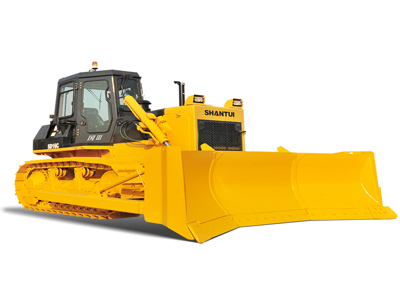
Строительная отрасль постоянно развивается, внедряя инновационные технологии для повышения эффективности, безопасности и устойчивости. Среди ключевых инструментов, играющих pivotal роль в этом процессе, выделяются гидравлические копры. Эти машины, предназначенные для забивки свай и других грунтовых работ, embody сочетание мощи, точности и надежности, что делает их незаменимыми в современном строительстве. В данной статье мы глубоко исследуем, как гидравлические копры contribute к силе и надежности строительных проектов, covering их технические аспекты, преимущества, applications, и будущие тенденции.
Гидравлические копры – это специализированные строительные машины, используемые primarily для забивки свай в грунт с целью создания прочных фундаментов. В отличие от традиционных механических или diesel-приводных копров, hydraulic версии leverage силу гидравлики для генерации высокого impact энергии, что позволяет efficiently работать в различных условиях, включая сложные грунты и urban среды. Их design often включает advanced системы управления, такие как компьютерное control, для обеспечения precision и минимизации ошибок.
Исторически, копры evolved от простых ручных устройств до sophisticated машин. Ранние версии relied на gravity или паровые двигатели, но с advent гидравлических технологий в mid-20th века, произошла революция. Гидравлические системы offer superior control над силой и скоростью удара, reducing vibration и noise, что critical в sensitive areas like cities. Сегодня, эти машины являются standard в many строительных projects, от мостов и зданий до инфраструктурных объектов.
Основные components гидравлического копра включают hydraulic цилиндры, насосы, молот (hammer), и систему управления. Hydraulic fluid under high pressure drives the hammer to deliver controlled blows to the pile, ensuring deep penetration without excessive damage. This technology not only enhances productivity but also improves safety by reducing the risk of accidents associated with older methods.
Гидравлические копры характеризуются рядом technical параметров, которые определяют их эффективность. Key specifications включают energy удара (измеряемую в kilojoules), скорость забивки, максимальную depth проникновения, и weight машины. Например, modern гидравлические копры могут generate ударную энергию от 10 до over 100 kJ, allowing them to handle piles of various materials like steel, concrete, or timber. The hydraulic system uses a pump to create pressure, which is then released through valves to actuate the hammer. This process is highly efficient, with energy conversion rates exceeding 90%, compared to lower efficiencies in mechanical systems.
Принцип работы основан на accumulation и release гидравлической энергии. When the operator initiates a blow, hydraulic fluid is pumped into a chamber, building pressure. Once a certain threshold is reached, a valve opens, releasing the fluid to drive the hammer downward onto the pile. This cycle repeats rapidly, enabling continuous driving with minimal downtime. Advanced models feature automatic controls that adjust the force based on soil conditions, preventing over-driving or under-driving, which can compromise foundation integrity.
Innovations in hydraulic copra include integration with GPS and sensors for real-time monitoring. These systems provide data on pile alignment, depth, and soil resistance, allowing for adjustments on the fly. This not only boosts accuracy but also reduces material waste and labor costs. Furthermore, hydraulic copras are designed with modular components, facilitating easy maintenance and upgrades, which extends their lifespan and enhances reliability.
Гидравлические копры offer numerous advantages over alternative piling methods, making them a preferred choice in construction. Firstly, their high impact energy and precision lead to faster project completion times. For instance, a hydraulic copra can drive piles at rates of up to 30 blows per minute, significantly outpacing traditional methods. This speed is crucial in time-sensitive projects, such as infrastructure developments or disaster recovery efforts.
Secondly, reliability is a hallmark of hydraulic systems. The enclosed nature of hydraulic components protects them from environmental factors like dust and moisture, reducing wear and tear. Additionally, the controlled force application minimizes the risk of pile damage, ensuring that foundations are built to last. This reliability translates to lower maintenance costs and fewer delays, as breakdowns are less frequent compared to mechanical copras.
Another key benefit is environmental friendliness. Hydraulic copras produce less noise and vibration than diesel-powered equivalents, making them suitable for urban areas where noise ordinances are strict. This reduces disturbances to nearby communities and allows work to proceed without legal hiccups. Moreover, modern hydraulic fluids are often biodegradable, and energy-efficient designs lower fuel consumption, contributing to sustainability goals.
Safety is also enhanced. The automated controls reduce the need for manual intervention, lowering the risk of operator injury. Features like emergency stop buttons and overload protection systems ensure that the machine operates within safe parameters. In summary, the combination of efficiency, durability, and safety makes hydraulic copras a robust investment for any construction firm.
Гидравлические копры find application in a wide range of construction scenarios, underscoring their versatility. One primary use is in foundation work for buildings and bridges. By driving piles deep into the ground, they create stable bases that can support heavy loads and resist seismic activities. For example, in skyscraper construction, hydraulic copras are used to install hundreds of piles, ensuring the structure's stability over decades.
In infrastructure projects, such as highways and railways, these machines are employed to build retaining walls and support structures. Their ability to work in varied terrains—from soft soils to rocky ground—makes them ideal for projects that traverse diverse landscapes. Additionally, in marine construction, hydraulic copras are used for offshore platforms and piers, where their precision prevents misalignment in challenging aquatic environments.
Urban redevelopment projects also benefit from hydraulic copras. In densely populated cities, the reduced noise and vibration allow for piling work without disrupting daily life. This is particularly important for projects near hospitals, schools, or residential areas. Case studies show that using hydraulic copras can cut project timelines by up to 20%, as seen in recent metro expansions in major cities like Moscow or St. Petersburg.
Furthermore, hydraulic copras are integral to disaster resilience efforts. After earthquakes or floods, they are used to quickly install temporary or permanent foundations for emergency shelters and repaired structures. Their reliability ensures that reconstruction is swift and secure, helping communities recover faster. Overall, the adaptability of hydraulic copras makes them a cornerstone of modern construction practices.
When evaluating piling equipment, it's essential to compare hydraulic copras with other types, such as diesel hammers or vibratory drivers. Diesel hammers, while powerful, are louder and produce more vibration, limiting their use in sensitive areas. They also have higher emissions, contributing to air pollution. In contrast, hydraulic copras offer cleaner operation with comparable power, making them a better choice for environmentally conscious projects.
Vibratory drivers excel in sandy or loose soils but struggle with hard layers. Hydraulic copras, with their impact force, can penetrate a broader range of soil types, including dense clay or rock. This versatility reduces the need for multiple machines on a site, streamlining operations and cutting costs. However, vibratory drivers are faster in suitable conditions, so the choice depends on specific project requirements.
Mechanical copras, which use cables and weights, are simpler but less efficient. They require more manual labor and are prone to higher maintenance issues. Hydraulic systems, with their automated controls, reduce human error and increase precision. Although initial investment in hydraulic copras might be higher, the long-term savings in time, maintenance, and reliability often justify the cost. For instance, studies indicate that hydraulic copras can achieve up to 30% higher productivity over mechanical ones in typical construction scenarios.
In summary, while each type has its niche, hydraulic copras stand out for their balance of power, control, and adaptability. They are particularly advantageous in projects demanding high precision and minimal environmental impact, solidifying their role as a premier choice in the industry.
The future of hydraulic copras is shaped by ongoing innovations aimed at enhancing efficiency and sustainability. One emerging trend is the integration of Internet of Things (IoT) technology. Sensors embedded in copras collect data on performance, wear, and environmental conditions, enabling predictive maintenance. This reduces downtime by alerting operators to potential issues before they become critical, thereby improving reliability.
Electrification is another key development. As the world moves towards renewable energy, electric hydraulic copras are gaining traction. These models use battery power or grid electricity, eliminating emissions entirely and further reducing noise. This aligns with global initiatives like the Paris Agreement, promoting green construction practices. Prototypes of fully electric copras have shown promise in trials, with expectations of commercial availability within the next decade.
Automation and robotics are also transforming hydraulic copras. Autonomous systems can operate without human intervention, using AI to optimize piling patterns based on real-time soil analysis. This not only boosts safety by removing operators from hazardous zones but also increases accuracy. For example, in remote or dangerous sites, such as mining areas, autonomous copras can work continuously, enhancing productivity.
Additionally, advancements in materials science are leading to lighter yet stronger components, reducing the overall weight of copras without compromising power. This makes them easier to transport and set up, especially in confined spaces. Looking ahead, we can expect hydraulic copras to become even more intelligent, efficient, and eco-friendly, driving the construction industry towards a smarter and more sustainable future.
В заключение, гидравлические копры embody силу и надежность, essential для современного строительства. Их advanced гидравлические системы provide unmatched control, efficiency, and environmental benefits, making them indispensable in projects ranging from urban skyscrapers to infrastructure expansions. By leveraging innovations like IoT and electrification, these machines are poised to continue evolving, further enhancing their role in building a resilient and sustainable world. As the construction industry advances, investing in hydraulic copras will remain a strategic decision for achieving long-term success and reliability.
Таким образом, embracing гидравлические копры not only boosts project outcomes but also contributes to broader goals of safety and sustainability, solidifying their status as a cornerstone of construction excellence.

Shandong Gt International Trading Co., Ltd.
Контактные лица:
Мобильные телефоны:
Телефон:
Адрес:No. 1901, 19th Floor, East Unit 1, Shengde Times Impression, Jining, Shandong, China