


Возвращение Текущее местоположение: Главная страница >> Информационный центр >> Почему фрезерные машины стали незаменимыми в современном дорожном строительстве
Время публикации:2025-11-30 04:01:10
Статья исследует ключевую роль фрезерных машин в современном дорожном строительстве, анализируя их технологические преимущества, экономическую эффективность, экологические аспекты и влияние на качество инфраструктуры. Обсуждаются инновации, историческое развитие, практические применения и будущие тенденции, подчеркивая незаменимость этих машин для устойчивого развития транспорта.
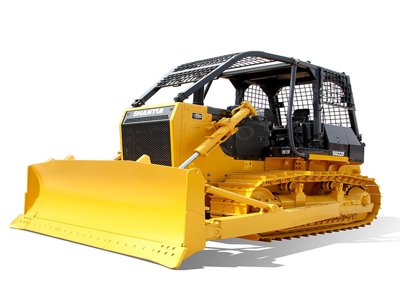
Современное дорожное строительство представляет собой сложный и многогранный процесс, где каждая деталь играет crucial роль в создании безопасной, долговечной и эффективной транспортной инфраструктуры. Среди множества технологий и оборудования, фрезерные машины выделяются как один из ключевых инструментов, без которых сегодня невозможно представить ни один масштабный проект. Эти машины, также известные как асфальтофрезерные или дорожные фрезы, предназначены для удаления старого асфальтового покрытия, подготовки поверхности к укладке нового слоя и обеспечения высокого качества работ. Их внедрение в практику строительства дорог стало революционным шагом, позволившим значительно повысить производительность, снизить затраты и минимизировать негативное воздействие на окружающую среду.
Исторически, дорожное строительство развивалось от примитивных методов, таких как ручная укладка камней и грунтовых дорог, к сложным инженерным системам с использованием асфальта и бетона. В XX веке, с ростом автомобилизации и увеличением нагрузки на дороги, возникла необходимость в более эффективных способах ремонта и обслуживания. Именно тогда появились первые прототипы фрезерных машин, которые постепенно эволюционировали от простых механических устройств до высокотехнологичных комплексов с компьютерным управлением. Сегодня они являются неотъемлемой частью любого крупного дорожного проекта, будь то строительство новых автомагистралей, реконструкция городских улиц или ремонт аэродромных покрытий.
Актуальность темы обусловлена растущими требованиями к качеству дорожной инфраструктуры во всем мире. В условиях увеличения транспортных потоков, изменения климата и необходимости устойчивого развития, фрезерные машины предлагают решения, которые сочетают в себе высокую эффективность, экономичность и экологичность. В этой статье мы подробно рассмотрим, почему эти машины стали незаменимыми, анализируя их технологические особенности, преимущества перед традиционными методами, экономические выгоды, экологические аспекты, а также будущие тенденции и инновации. Мы также коснемся практических примеров из реальных проектов, чтобы проиллюстрировать их важность в современном контексте.
Одним из главных reasons, почему фрезерные машины стали незаменимыми, является их технологическое превосходство over традиционными методами, такими как ручной демонтаж или использование отбойных молотков. Эти машины оснащены вращающимся барабаном с резцами, который способен быстро и точно удалять слои асфальта или бетона на заданную глубину. Благодаря компьютерным системам управления, оператор может программировать параметры фрезерования, ensuring высокую точность и однородность поверхности. Это особенно важно при работах на больших площадях, где даже незначительные отклонения могут привести к серьезным проблемам, таким как неровности дорожного полотна или reduced срок службы покрытия.
Скорость работы фрезерных машин также впечатляет: они могут обрабатывать до нескольких сотен квадратных метров в час, depending от модели и условий. Например, современные самоходные фрезы с гидравлическим приводом способны удалять асфальт со скоростью до 30 метров в минуту, что в разы превышает возможности manual labor. Это не только ускоряет проекты, но и reduces время, в течение которого дороги закрыты для движения, minimizing disruption для транспортных потоков и экономики. Кроме того, фрезерные машины универсальны: они могут использоваться для различных типов покрытий, включая асфальт, бетон, и даже для работ на мостах и в tunnels, где требования к точности и безопасности особенно high.
Another key advantage – ability to recycle materials. Фрезерованный асфальт (так называемый RAP – Reclaimed Asphalt Pavement) can be reused in new mixtures, reducing the need for virgin materials and lowering costs. This aligns with principles of circular economy and sustainability, making milling machines not just efficient tools, but also environmentally friendly solutions. Technological innovations, such as GPS-guided systems and automated depth control, further enhance their precision, allowing for seamless integration into modern construction workflows.
С экономической точки зрения, фрезерные машины предлагают significant benefits by reducing overall project costs. Хотя первоначальные инвестиции в приобретение или аренду таких машин могут быть substantial, они quickly окупаются за счет savings на labor, materials, and time. Traditional methods often require large crews and extended periods, leading to high labor costs and potential delays. In contrast, milling machines automate much of the process, requiring fewer workers and completing tasks faster. For instance, a single milling machine can replace dozens of workers with jackhammers, reducing labor expenses by up to 50% or more, depending on the project scale.
Moreover, the ability to recycle asphalt through milling directly cuts material costs. By reusing RAP, contractors can save on the purchase of new asphalt, which is not only expensive but also subject to price fluctuations due to oil markets. Studies show that incorporating RAP into new asphalt mixtures can reduce material costs by 20-30%, while maintaining or even improving the quality of the pavement. Additionally, the precision of milling minimizes waste and ensures that only the necessary amount of material is removed, further optimizing resource use. This economic efficiency makes milling machines attractive for both public and private sector projects, where budget constraints are always a concern.
Beyond direct costs, milling machines contribute to long-term savings by improving the durability and lifespan of road surfaces. Proper milling prepares a smooth, even base for new layers, reducing the likelihood of premature failures and the need for frequent repairs. This translates to lower maintenance costs over time, benefiting taxpayers and infrastructure owners. In macroeconomic terms, the use of milling machines supports faster project completion, which in turn reduces economic losses associated with road closures, such as increased travel times, fuel consumption, and business disruptions. Thus, the economic impact extends beyond the construction site to the broader economy.
В эпоху growing environmental awareness, фрезерные машины играют vital role in promoting sustainable practices in road construction. One of the most significant environmental benefits is the reduction in waste generation. Unlike traditional demolition methods that often result in large amounts of debris sent to landfills, milling allows for almost 100% recycling of the removed asphalt. This not only conserves landfill space but also reduces the environmental impact associated with quarrying and transporting new materials. The energy savings from recycling are substantial: producing new asphalt from virgin materials requires significant energy inputs, whereas reusing RAP consumes up to 50% less energy, leading to a lower carbon footprint.
Additionally, modern milling machines are designed with emission controls and fuel efficiency in mind. Many models are equipped with advanced engines that meet stringent environmental standards, such as Euro VI or EPA Tier 4, minimizing emissions of pollutants like nitrogen oxides (NOx) and particulate matter. Some electric or hybrid milling machines are also emerging, further reducing greenhouse gas emissions. The precision of milling also contributes to environmental sustainability by minimizing the disturbance to surrounding areas. For example, in urban settings, reduced noise and dust levels compared to jackhammers make milling less intrusive for residents and businesses, aligning with green building principles.
Furthermore, the use of milling machines supports broader environmental goals, such as combating climate change and promoting circular economy. By enabling the reuse of materials, they help reduce the extraction of natural resources, preserve ecosystems, and decrease the overall environmental load of construction activities. Governments and organizations worldwide are increasingly incentivizing such practices through regulations and certifications, making milling machines not just a technical choice but a strategic one for sustainable development. In summary, their environmental benefits make them indispensable in modern construction, where ecological considerations are paramount.
To illustrate the indispensability of milling machines, it is helpful to examine real-world applications and case studies. One notable example is the reconstruction of the Moscow Ring Road (MKAD) in Russia, a major infrastructure project that involved extensive milling work. Using advanced milling machines, contractors were able to remove old asphalt layers quickly and precisely, allowing for the timely completion of the project with minimal disruption to traffic. The recycled asphalt was reused in new layers, reducing costs and environmental impact. This project demonstrated how milling technology can handle large-scale challenges efficiently.
Another case is the maintenance of highways in Germany, where milling machines are routinely used for surface rehabilitation. For instance, on the Autobahn network, milling ensures that road surfaces remain smooth and safe, extending their lifespan and reducing accident rates. The precision of these machines allows for targeted repairs, such as correcting ruts or removing damaged sections, without the need for full-depth reconstruction. This approach saves time and resources while maintaining high safety standards. Similarly, in the United States, projects like the rehabilitation of interstate highways often rely on milling to achieve cost-effective and sustainable outcomes.
In urban contexts, milling machines are essential for city road works. For example, in St. Petersburg, Russia, milling was used during the renovation of Nevsky Prospect, a historic avenue. The ability to work with precision minimized damage to underlying utilities and preserved the cultural heritage of the area. These examples highlight the versatility and effectiveness of milling machines across different types of projects, from high-speed highways to sensitive urban environments. They prove that without these machines, modern road construction would be slower, more expensive, and less environmentally friendly.
The future of milling machines looks promising, with ongoing innovations aimed at enhancing their performance, efficiency, and sustainability. One key trend is the integration of digital technologies, such as Internet of Things (IoT) and artificial intelligence (AI). Smart milling machines equipped with sensors can collect real-time data on material properties, wear of cutters, and operational parameters, allowing for predictive maintenance and optimized performance. AI algorithms can analyze this data to suggest improvements in milling patterns, further increasing precision and reducing waste. Additionally, autonomous or remotely operated milling machines are being developed, which could reduce the need for human operators and improve safety in hazardous conditions.
Another area of innovation is the development of more environmentally friendly models. Electric milling machines, powered by batteries or overhead lines, are gaining traction as they offer zero emissions at the point of use. Hybrid systems that combine electric and conventional power are also emerging, providing flexibility for different job sites. Furthermore, advances in cutter technology and materials science are leading to longer-lasting and more efficient cutting tools, reducing downtime and maintenance costs. These innovations will make milling machines even more indispensable in the future, as they align with global trends towards automation, sustainability, and smart infrastructure.
Looking ahead, we can expect milling machines to become more integrated with other construction technologies, such as 3D printing for roads or robotic systems. This could enable fully automated road construction processes, where milling, paving, and quality control are seamlessly connected. As urbanization and climate change continue to pose challenges, the role of milling machines in creating resilient and sustainable infrastructure will only grow. Therefore, investing in and adopting these technologies is crucial for the future of road construction worldwide.
В заключение, фрезерные машины стали незаменимыми в современном дорожном строительстве due to their unparalleled technological advantages, economic efficiency, environmental benefits, and practical versatility. Они transformed the industry by enabling faster, more precise, and sustainable projects, while reducing costs and minimizing negative impacts. From large-scale highway reconstructions to delicate urban renewals, these machines have proven their worth time and again. As innovations continue to emerge, their role will only expand, making them a cornerstone of future infrastructure development.
Для contractors, governments, and society as a whole, embracing milling technology is not just a choice but a necessity for building better, safer, and more sustainable roads. By understanding and leveraging the capabilities of these machines, we can ensure that our transportation networks meet the demands of the 21st century and beyond. Thus, the question is not why milling machines are indispensable, but how we can further enhance their use to benefit everyone.

Shandong Gt International Trading Co., Ltd.
Контактные лица:
Мобильные телефоны:
Телефон:
Адрес:No. 1901, 19th Floor, East Unit 1, Shengde Times Impression, Jining, Shandong, China