


Возвращение Текущее местоположение: Главная страница >> Информационный центр >> Что такое регенеративное оборудование и как оно работает
Время публикации:2025-11-27 16:01:10
Статья обсуждает концепцию регенеративного оборудования, его принципы работы, применение в различных отраслях и преимущества для энергоэффективности и устойчивого развития.
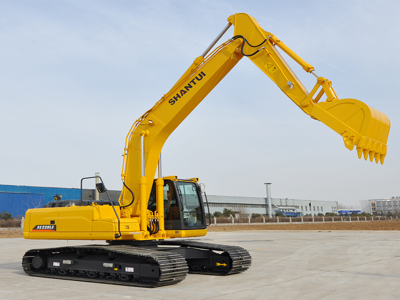
Регенеративное оборудование представляет собой технологическое решение, направленное на восстановление или повторное использование ресурсов, таких как энергия, материалы или жидкости, для повышения эффективности и снижения отходов. Эта концепция широко применяется в различных отраслях, включая энергетику, промышленность и экологию, и становится ключевым элементом в стремлении к устойчивому развитию. В этой статье мы подробно рассмотрим, что такое регенеративное оборудование, как оно работает, его основные типы, преимущества и вызовы, с которыми сталкивается его внедрение.
Регенеративное оборудование – это устройства или системы, которые способны восстанавливать и повторно использовать ресурсы, которые в традиционных процессах часто теряются или выбрасываются. Например, в энергетике регенеративное оборудование может включать тепловые насосы, рекуператоры тепла или системы регенеративного торможения, которые преобразуют кинетическую энергию в электрическую. В промышленности оно может относиться к оборудованию для очистки и повторного использования воды или газов, что снижает потребление свежих ресурсов и минимизирует воздействие на окружающую среду.
Основная идея регенеративного оборудования заключается в создании замкнутых циклов, где отходы или побочные продукты одного процесса становятся входными ресурсами для другого. Это не только повышает эффективность, но и способствует экономии затрат и снижению экологического следа. Например, в автомобильной промышленности системы регенеративного торможения позволяют экономить топливо, преобразуя энергию торможения в электричество, которое затем используется для питания электронных систем автомобиля.
Исторически регенеративные технологии развивались параллельно с ростом осознания проблем ресурсодефицита и изменения климата. В начале XX века появились первые примеры регенеративного оборудования, такие как регенеративные печи в металлургии, которые использовали тепло отходящих газов для предварительного нагрева воздуха. С развитием технологий, особенно в области электроники и материаловедения, регенеративное оборудование стало более sophisticated и широко применяемым.
Сегодня регенеративное оборудование является неотъемлемой частью многих современных систем. Оно играет crucial роль в переходе к зеленой экономике, где emphasis делается на renewable resources и circular economy. Governments и корпорации инвестируют в research и development регенеративных технологий, чтобы достичь целей устойчивого развития, таких как снижение выбросов парниковых газов и улучшение resource efficiency.
Принцип работы регенеративного оборудования основан на fundamental законах физики, таких как conservation of energy и mass. В общем случае, оно involves capture, storage, и reuse ресурсов, которые otherwise были бы lost. Давайте рассмотрим этот процесс более детально на примерах из различных областей.
В energy sector, регенеративное оборудование often использует принцип рекуперации. Например, в системах отопления, вентиляции и кондиционирования воздуха (HVAC), heat exchangers могут capture тепло от exhaust air и использовать его для предварительного нагрева incoming fresh air. Это reduces energy consumption на нагрев, так как часть тепла уже присутствует в системе. Similarly, в электротранспорте, regenerative braking systems capture kinetic energy during deceleration и convert it into electrical energy, which is then stored in batteries для последующего использования.
Another common principle is regeneration through chemical or physical processes. In water treatment, regenerative equipment might use filters or membranes to purify wastewater, allowing it to be reused in industrial processes or even for drinking after further treatment. This not only conserves water but also reduces the load on municipal water supplies and treatment facilities.
The efficiency of regenerative equipment is often measured by its regeneration ratio or coefficient, which indicates how much of the wasted resource is recovered. For instance, in thermal systems, the effectiveness of a heat exchanger can be expressed as a percentage of heat recovered. Higher ratios mean better performance and greater savings.
Technological advancements have enabled more sophisticated regenerative systems. For example, in renewable energy, regenerative inverters can convert DC power from solar panels or batteries into AC power for grid use, while also managing energy flow to optimize efficiency. In manufacturing, closed-loop systems for coolants or lubricants use filtration and treatment to extend their lifespan, reducing waste and costs.
However, the operation of regenerative equipment is not without challenges. It requires careful design to avoid losses during the regeneration process, such as energy dissipation in converters or contamination in filtration systems. Maintenance is also critical to ensure long-term performance, as fouling or wear can reduce efficiency over time.
Регенеративное оборудование можно классифицировать по various критериям, such as the type of resource being regenerated or the industry application. Here, we discuss some common types with examples.
Energy Regeneration Equipment: This includes devices that recover and reuse energy. Examples are regenerative brakes in vehicles, which convert kinetic energy to electrical energy; regenerative drives in industrial machinery that recover energy during motor deceleration; and thermal regenerators in power plants that use waste heat to improve efficiency. In renewable energy systems, regenerative converters help in managing energy storage and grid integration.
Material Regeneration Equipment: This type focuses on recovering and reusing materials. For instance, in recycling plants, equipment like shredders, separators, and purifiers regenerate metals, plastics, or paper from waste. In chemistry, regenerative adsorbents or catalysts can be reactivated and reused multiple times, reducing the need for fresh materials and minimizing waste.
Fluid Regeneration Equipment: Commonly used in hydraulic systems or cooling circuits, this equipment cleans and recycles fluids such as oil, water, or coolants. Examples include centrifugal cleaners, filtration units, and degassers that remove contaminants and restore fluid properties, extending their usability and reducing environmental impact.
Environmental Regeneration Equipment: This includes systems for air and water purification that regenerate natural resources. For example, regenerative thermal oxidizers destroy volatile organic compounds in industrial emissions, while regenerative water treatment plants purify wastewater for reuse in agriculture or industry.
Each type has specific applications and benefits. For instance, in the automotive industry, regenerative braking not only saves energy but also reduces brake wear, leading to lower maintenance costs. In manufacturing, material regeneration equipment supports circular economy initiatives by turning waste into valuable resources.
Внедрение регенеративного оборудования offers numerous advantages, which contribute to its growing popularity across sectors.
Энергоэффективность: By recovering and reusing energy or materials, regenerative equipment significantly reduces energy consumption. For example, in buildings, regenerative HVAC systems can cut heating and cooling costs by up to 30%, according to some studies. This not only saves money but also reduces reliance on fossil fuels, lowering carbon footprints.
Экономия затрат: Although initial investment in regenerative equipment can be higher, the long-term savings from reduced resource use and lower waste disposal costs make it economically viable. In industries like manufacturing, regenerative systems for coolants or lubricants can decrease operational expenses by minimizing the need for frequent replacements.
Экологические benefits: Regenerative equipment supports sustainability by minimizing waste and pollution. For instance, regenerative water treatment reduces the discharge of contaminants into waterways, while energy regeneration helps decrease greenhouse gas emissions. This aligns with global efforts to combat climate change and promote environmental stewardship.
Improved Reliability and Longevity: In many cases, regenerative systems enhance the durability of equipment. For example, regenerative brakes in vehicles experience less wear than traditional brakes, leading to longer service life and reduced maintenance. Similarly, in industrial settings, regenerated fluids can protect machinery from damage caused by contaminants.
Regulatory Compliance: As governments impose stricter environmental regulations, regenerative equipment helps companies meet compliance standards. For example, in emissions control, regenerative thermal oxidizers ensure that industrial processes adhere to air quality laws, avoiding fines and enhancing corporate reputation.
Overall, the benefits make regenerative equipment a smart choice for forward-thinking organizations aiming to achieve efficiency, sustainability, and cost-effectiveness.
Despite its advantages, the adoption of regenerative equipment faces several challenges that need to be addressed.
High Initial Costs: The upfront investment for regenerative systems can be substantial, especially for advanced technologies. This may deter small businesses or regions with limited budgets from adopting them, even though the long-term savings are significant.
Technical Complexity: Regenerative equipment often requires sophisticated design, installation, and maintenance. It may involve integration with existing systems, which can be complex and prone to issues if not properly managed. Skilled personnel are needed to operate and maintain these systems, adding to operational costs.
Efficiency Limitations: Not all waste resources can be fully regenerated. For example, in energy regeneration, there are losses due to conversion inefficiencies (e.g., in electrical converters, some energy is lost as heat). Similarly, in material regeneration, contaminants may not be completely removed, limiting the quality of regenerated products.
Market and Regulatory Barriers: In some regions, lack of incentives or supportive policies can slow down adoption. Additionally, standards for regenerated products (e.g., recycled materials) may vary, creating uncertainty for users.
To overcome these challenges, ongoing research and development are crucial. Innovations in materials science, such as more efficient catalysts or membranes, can improve regeneration rates. Governments can play a role by offering subsidies, tax incentives, or setting standards that encourage the use of regenerative equipment.
The future of regenerative equipment looks promising, driven by technological advancements and increasing environmental awareness.
Emerging trends include the integration of artificial intelligence (AI) and Internet of Things (IoT) into regenerative systems. For example, smart regenerative equipment can optimize performance in real-time by adjusting parameters based on data analytics, leading to higher efficiency and predictive maintenance.
In energy, developments in battery technology and power electronics are making regenerative systems more effective. For instance, next-generation regenerative brakes in electric vehicles may achieve higher energy recovery rates, extending driving range and reducing charging frequency.
In circular economy initiatives, regenerative equipment will play a pivotal role. Companies are increasingly adopting closed-loop systems where products are designed for disassembly and regeneration, minimizing waste. This shift is supported by consumer demand for sustainable products and corporate sustainability goals.
Research is also focused on novel applications, such as regenerative medicine equipment that supports tissue engineering, though this is a different field, it shows the broadening scope of regeneration concepts.
Ultimately, as resources become scarcer and climate concerns escalate, regenerative equipment will become more mainstream. Collaboration between industries, governments, and research institutions will be key to unlocking its full potential and creating a more sustainable world.
Регенеративное оборудование представляет собой мощный инструмент для повышения эффективности, экономии ресурсов и защиты окружающей среды. От энергетики до промышленности, его применение демонстрирует tangible benefits в terms of cost savings, energy reduction, and environmental impact mitigation. Хотя challenges such as high costs and technical complexities exist, ongoing innovations and supportive policies are paving the way for wider adoption.
As we move towards a more sustainable future, investing in and advancing regenerative equipment is essential. It not only addresses immediate operational needs but also contributes to long-term global goals like carbon neutrality and resource conservation. By embracing these technologies, we can create systems that are not only efficient but also regenerative by design, ensuring a healthier planet for generations to come.
In summary, regenerative equipment is more than just a technological solution; it is a paradigm shift towards smarter, more responsible use of resources. Whether you are an engineer, policymaker, or consumer, understanding and promoting regenerative practices can drive positive change across all sectors of society.

Shandong Gt International Trading Co., Ltd.
Контактные лица:
Мобильные телефоны:
Телефон:
Адрес:No. 1901, 19th Floor, East Unit 1, Shengde Times Impression, Jining, Shandong, China