


Возвращение Текущее местоположение: Главная страница >> Информационный центр >> Оптимизация процессов тоннелестроения с помощью передового оборудования
Время публикации:2025-11-26 12:01:10
Эта статья посвящена оптимизации процессов тоннелестроения с использованием передового оборудования, включая буровые машины, роботизированные системы и цифровые технологии. Рассмотрены преимущества, кейсы и тенденции для повышения эффективности и безопасности.
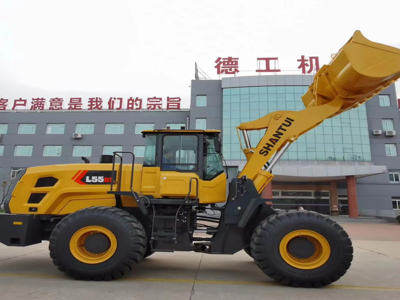
В современном мире строительство тоннелей играет ключевую роль в развитии инфраструктуры, транспорта и городского планирования. Однако традиционные методы тоннелестроения часто сталкиваются с вызовами, такими как высокие затраты, длительные сроки реализации и риски для безопасности. Внедрение передового оборудования позволяет значительно оптимизировать эти процессы, повышая эффективность, снижая издержки и обеспечивая более безопасные условия труда. В этой статье мы подробно рассмотрим, как инновационные технологии и оборудование революционизируют отрасль тоннелестроения, и предоставим практические рекомендации для специалистов.
Тоннелестроение — это сложная инженерная дисциплина, которая включает проектирование, строительство и обслуживание тоннелей для различных целей, таких как метро, автомобильные дороги, железнодорожные пути и гидротехнические сооружения. Исторически этот процесс был трудоемким и рискованным, но с развитием технологий появились возможности для кардинального улучшения. Оптимизация с помощью передового оборудования означает использование современных машин, систем управления и цифровых инструментов для ускорения работ, повышения точности и минимизации человеческого фактора. Это не только экономит время и деньги, но и способствует устойчивому развитию, сокращая воздействие на окружающую среду.
В последние десятилетия отрасль见证了 rapid advancements, такие как внедрение тоннелепроходческих комплексов (ТПК), автоматизированных систем мониторинга и BIM (информационное моделирование зданий). Эти инновации позволяют строителям работать в более сложных геологических условиях, увеличивать темпы проходки и улучшать качество конечного продукта. Например, использование роботизированных экскаваторов и дронов для обследования terrain значительно reduces the need for manual labor and enhances safety. Moreover, data-driven approaches enable predictive maintenance, preventing costly delays and accidents.
Цель этой статьи — предоставить всесторонний обзор того, как передовое оборудование может быть интегрировано в процессы тоннелестроения для достижения оптимизации. Мы обсудим ключевые технологии, их преимущества, реальные кейсы из мировой практики, а также будущие тенденции. Whether you are a project manager, engineer, or stakeholder in the construction industry, this guide will offer valuable insights to help you leverage these tools for success.
Современное тоннелестроение relies on a variety of advanced equipment that spans mechanical, electronic, and software domains. Here, we break down the most impactful technologies that are driving optimization in the industry.
ТПК, или tunnel boring machines (TBMs), являются cornerstone of modern tunnel construction. These massive machines are designed to excavate tunnels with high precision and efficiency. Modern TBMs come equipped with features like automated guidance systems, real-time monitoring, and modular designs that allow for customization based on geological conditions. For instance, slurry TBMs are ideal for soft ground, while hard rock TBMs use disc cutters to break through challenging formations. The integration of IoT sensors in TBMs enables continuous data collection on parameters such as pressure, temperature, and vibration, which can be analyzed to optimize performance and prevent failures.
Advantages of using advanced TBMs include reduced excavation time, lower labor costs, and improved safety by minimizing human exposure to hazardous environments. A notable example is the use of TBMs in the construction of the Gotthard Base Tunnel in Switzerland, where they achieved record-breaking progress rates of up to 40 meters per day. Additionally, TBMs can be paired with conveyor systems for efficient spoil removal, further streamlining the process.
Robotics and automation are transforming tunnel construction by taking over repetitive and dangerous tasks. Robotic arms can be used for tasks such as drilling, bolting, and lining installation, while autonomous vehicles transport materials within the tunnel. These systems are often controlled via remote operation or AI algorithms, reducing the need for workers to be in high-risk areas. For example, in the Crossrail project in London, robotic systems were employed to handle segment erection, resulting in a 20% increase in productivity.
Beyond robotics, automated surveying tools like laser scanners and drones provide accurate 3D maps of the tunnel environment, enabling better planning and quality control. These technologies help in detecting deviations early, allowing for timely corrections and avoiding rework. The use of automation also contributes to sustainability by optimizing resource usage and reducing waste.
Building Information Modeling (BIM) is a digital representation of the physical and functional characteristics of a tunnel project. It allows for collaborative planning, design, and management throughout the lifecycle of the project. By integrating BIM with advanced equipment, teams can simulate construction sequences, identify potential clashes, and optimize workflows. For instance, BIM can be used to model the interaction between TBMs and surrounding structures, ensuring that excavations do not cause subsidence or other issues.
Other digital tools include project management software that tracks progress, budgets, and resources in real-time. Cloud-based platforms enable seamless communication between onsite and offsite teams, facilitating quick decision-making. The adoption of these tools leads to better coordination, reduced errors, and enhanced overall efficiency.
Advanced monitoring systems are critical for ensuring safety and performance in tunnel construction. These include sensors for gas detection, structural health monitoring, and environmental conditions. Real-time data from these systems can alert crews to potential hazards, such as methane buildup or ground movement, allowing for immediate evacuation or intervention. Wearable technology for workers, such as smart helmets with GPS and vital signs monitoring, further enhances safety by providing location tracking and health alerts.
In addition, predictive maintenance systems use machine learning algorithms to analyze equipment data and forecast when maintenance is needed, preventing unexpected breakdowns. This proactive approach reduces downtime and extends the lifespan of machinery, contributing to cost savings and reliability.
The integration of advanced equipment into tunnel construction processes offers numerous benefits that translate into tangible improvements for projects. Below, we explore these advantages in detail.
One of the most significant benefits is the increase in efficiency and productivity. Advanced equipment like TBMs and robotic systems can work continuously without fatigue, leading to faster excavation and construction rates. For example, a modern TBM can achieve progress rates that are 2-3 times higher than traditional methods. This acceleration shortens project timelines, allowing for earlier completion and revenue generation. Additionally, automation reduces the reliance on manual labor, which can be scarce or expensive in certain regions, further boosting productivity.
Digital tools enhance efficiency by streamlining workflows and reducing bureaucratic delays. With BIM and project management software, teams can avoid design conflicts and coordinate activities more effectively, minimizing idle time and rework. Case studies from projects like the Eurasia Tunnel in Turkey show that the use of advanced equipment reduced overall construction time by 15%, resulting in significant cost savings.
Cost reduction is a major driver for adopting advanced equipment. While the initial investment in high-tech machinery can be substantial, the long-term savings are considerable. For instance, TBMs reduce the need for extensive support structures and manual excavation, lowering labor and material costs. Predictive maintenance helps avoid costly repairs and downtime, while optimized resource usage minimizes waste. In the long run, projects can achieve up to 20% reduction in total costs through these measures.
Moreover, advanced equipment often leads to better resource management. For example, automated systems can precisely measure and apply materials like concrete and reinforcements, reducing overuse and spoilage. Energy-efficient designs in modern machinery also contribute to lower operational costs and a smaller carbon footprint, aligning with sustainability goals.
Safety is paramount in tunnel construction, where workers face hazards such as collapses, gas explosions, and equipment accidents. Advanced equipment mitigates these risks by automating dangerous tasks and providing real-time monitoring. Robotic systems can perform high-risk activities like drilling in unstable areas, while sensors detect environmental threats early. This results in fewer accidents and injuries, improving overall morale and compliance with safety regulations.
Statistics from industry reports indicate that projects using advanced safety technologies have seen a 30% reduction in incident rates. For example, in the construction of the Los Angeles Metro, the implementation of IoT-based monitoring systems prevented several potential accidents by alerting crews to unsafe conditions. This not only protects lives but also avoids legal liabilities and project delays associated with accidents.
Advanced equipment ensures higher quality and precision in tunnel construction. TBMs, for instance, excavate tunnels with minimal deviation, resulting in smoother surfaces and better alignment. This reduces the need for secondary finishing work and enhances the durability of the structure. Digital tools like BIM allow for precise modeling and simulation, ensuring that designs are executed accurately.
Quality control is also improved through automated inspection systems that use cameras and sensors to detect defects in real-time. This leads to fewer errors and a longer lifespan for the tunnel, reducing maintenance costs over time. Projects that prioritize quality through advanced equipment often receive higher ratings and certifications, boosting their reputation and marketability.
To illustrate the impact of advanced equipment, let's examine some real-world case studies where optimization has been successfully implemented.
The Channel Tunnel, connecting the UK and France, is a landmark project that utilized advanced TBMs and monitoring systems. Despite challenging marine conditions, the use of customized TBMs allowed for precise excavation under the English Channel. Real-time data collection and automated guidance systems ensured that the tunnels met exact specifications, with deviations of less than 50 mm. This project demonstrated how advanced equipment can overcome geological challenges and achieve international cooperation, reducing construction time by 20% compared to initial estimates.
Crossrail, one of Europe's largest infrastructure projects, extensively employed BIM, robotics, and TBMs. The use of BIM facilitated collaboration among multiple contractors, reducing design clashes by 40%. Robotic systems handled segment installation, increasing efficiency and safety. TBMs equipped with predictive maintenance capabilities operated with 95% uptime, contributing to the project's on-schedule completion. This case highlights how integrated digital and mechanical solutions can manage complex urban environments.
Московский метрополитен has been at the forefront of adopting advanced equipment for its expansion projects. New lines have been constructed using state-of-the-art TBMs and automated surveying tools. For example, the implementation of laser-guided systems ensured accurate alignment in densely built areas, minimizing disruption to existing infrastructure. The use of these technologies has reduced construction costs by 15% and improved safety records, setting a benchmark for other cities.
As the world's longest railway tunnel, the Gotthard Base Tunnel relied heavily on advanced TBMs and monitoring systems. The machines were equipped with real-time data analytics to adapt to varying rock formations, achieving unprecedented progress rates. Environmental monitoring systems ensured compliance with strict sustainability standards. This project showcases how cutting-edge equipment can deliver mega-projects on time and within budget, while prioritizing safety and environmental care.
The field of tunnel construction is continuously evolving, with several emerging trends poised to further optimize processes. Here, we explore what the future holds.
AI and machine learning are set to revolutionize tunnel construction by enabling predictive analytics, autonomous decision-making, and enhanced optimization. For example, AI algorithms can analyze geological data to recommend the best TBM settings for specific conditions, reducing trial and error. Machine learning models can predict equipment failures before they occur, scheduling maintenance during off-peak hours to minimize disruption. In the future, we may see fully autonomous TBMs that require minimal human intervention, further boosting efficiency.
Sustainability is becoming a key focus, with advances in equipment designed to reduce environmental impact. Electric TBMs and renewable energy-powered sites are gaining traction, cutting carbon emissions. Additionally, recycling technologies for spoil material are being integrated into equipment, turning waste into resources like aggregates for construction. These innovations not only meet regulatory requirements but also enhance corporate social responsibility.
Augmented reality (AR) and virtual reality (VR) are being used for training and simulation purposes. Workers can practice operating equipment in virtual environments, reducing the learning curve and improving safety. AR glasses can overlay digital information onto the physical tunnel, aiding in navigation and maintenance. These technologies will become more prevalent as they prove effective in reducing errors and enhancing skills.
As cities become smarter, tunnel construction will integrate with IoT networks and urban data platforms. This will allow for real-time traffic management during construction, minimizing disruption. Future tunnels may be equipped with sensors for continuous monitoring post-construction, contributing to smart infrastructure that adapts to changing conditions.
Implementing advanced equipment requires careful planning and execution. Here are some practical tips for successfully integrating these technologies into your tunnel projects.
Begin by conducting a thorough assessment of your project's needs and constraints. Consider factors such as geology, budget, and timeline. Choose equipment that is compatible with your existing processes and offers scalability. For example, select TBMs with modular designs that can be upgraded as technology evolves. Consult with manufacturers and industry experts to ensure you make informed decisions.
Invest in training programs to equip your team with the skills needed to operate and maintain advanced equipment. This includes technical training on machinery and software, as well as safety protocols. Foster a culture of innovation and continuous improvement to encourage adoption. Providing hands-on experience through simulations and pilot projects can ease the transition.
Ensure that new equipment integrates seamlessly with your current systems, such as project management software and communication tools. Use open standards and APIs to facilitate data exchange. Start with small-scale implementations to test compatibility and address any issues before full deployment.
Once implemented, continuously monitor performance using data analytics. Collect feedback from workers and adjust processes as needed. Regularly update equipment and software to leverage the latest innovations. Establish key performance indicators (KPIs) to measure success, such as reduction in construction time or improvement in safety metrics.
Оптимизация процессов тоннелестроения с помощью передового оборудования является неотъемлемой частью современного строительства. От тоннелепроходческих комплексов до цифровых инструментов, эти технологии предлагают значительные преимущества в эффективности, cost reduction, safety, and quality. Реальные кейсы, такие как Евротоннель и Crossrail, демонстрируют, что инвестиции в передовое оборудование окупаются многократно. Looking ahead, trends like AI and sustainability will continue to shape the industry, offering new opportunities for optimization.
By adopting these innovations, construction professionals can not only meet the growing demands for infrastructure but also contribute to a safer and more sustainable future. We encourage you to explore these technologies and integrate them into your projects to achieve卓越 results.
Ключевые выводы:
Для получения дополнительной информации о том, как внедрить эти технологии в ваши проекты, свяжитесь с нашими экспертами или посетите наши ресурсы online. Together, we can build the tunnels of tomorrow, today.

Shandong Gt International Trading Co., Ltd.
Контактные лица:
Мобильные телефоны:
Телефон:
Адрес:No. 1901, 19th Floor, East Unit 1, Shengde Times Impression, Jining, Shandong, China